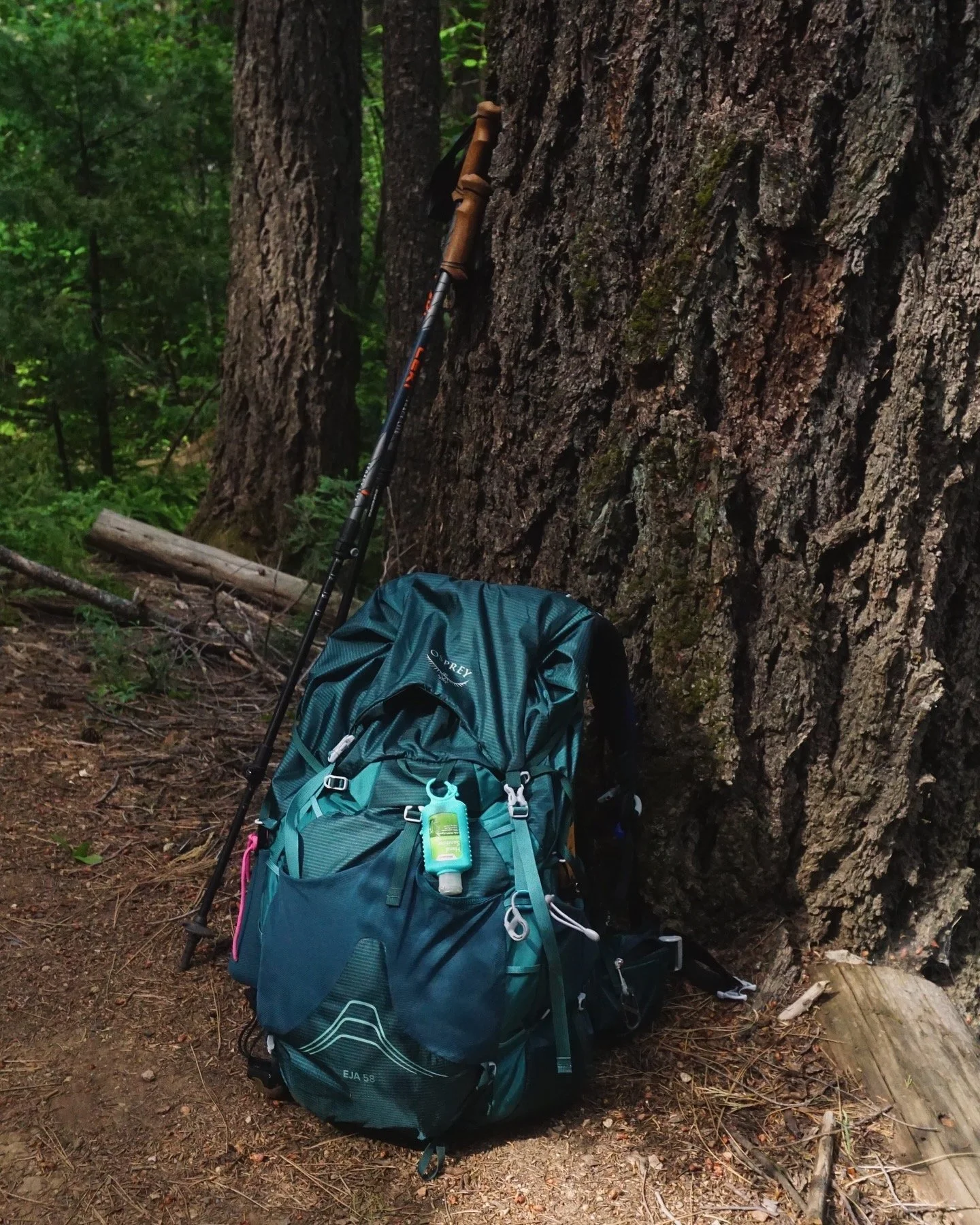
building a go bag
a free resource for starting
thinking about building your Go Bag,
but you haven’t started
this is a place to begin.
you can get a zine version of this list in my shop!
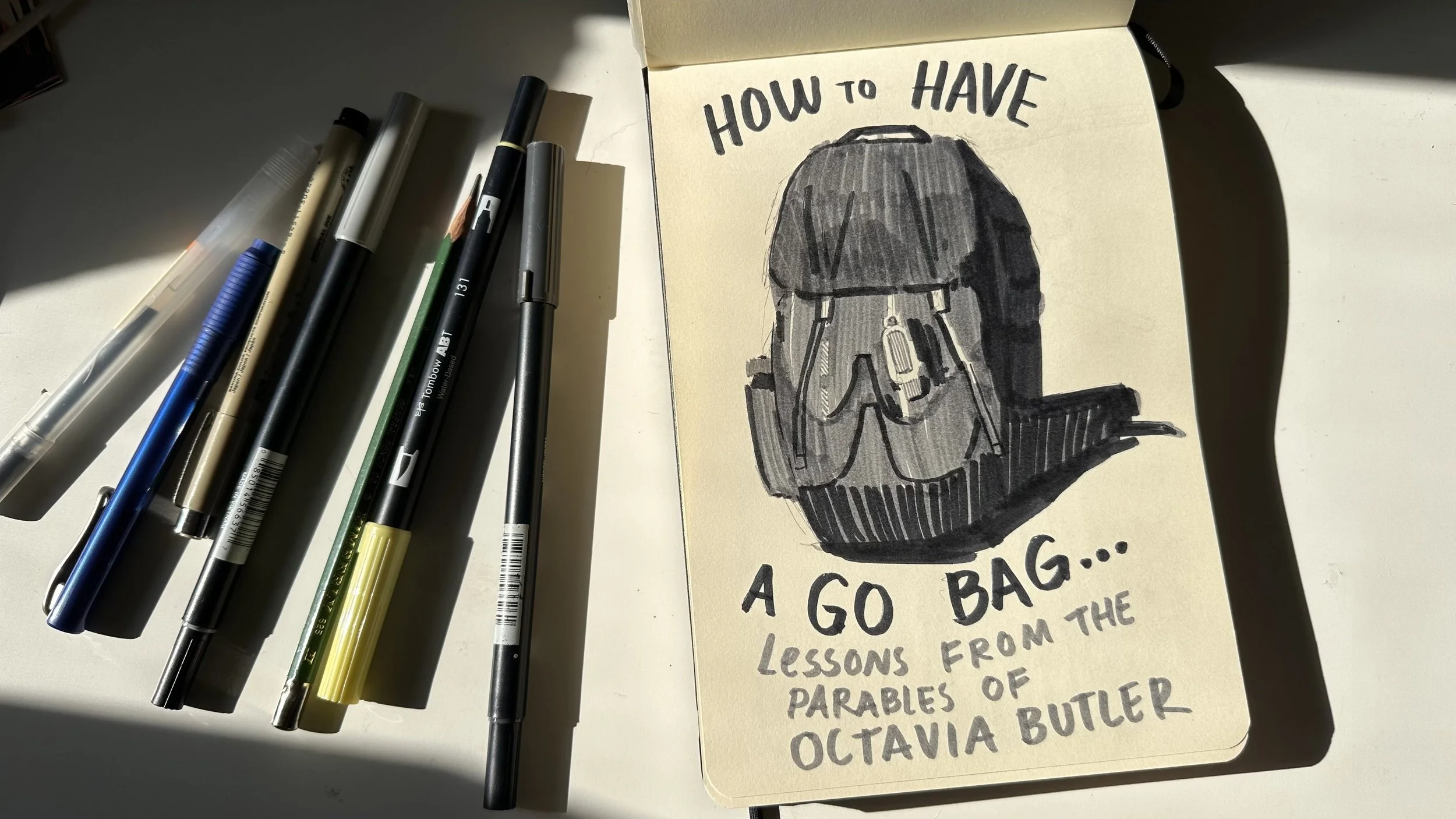
How to use this list:
Copy the text of this list into your favorite note taking, list making, or database app of your choice. If you prefer paper lists, write these down in your notebook section by section.
This list is broken into color-coded sections based on the amount of time you have prior to an evacuation.
The red list is for situations where you have 20 - 40 minutes to leave, grab the items below the red text below
The gold list is for folks who have 1-3 hours to leave, grab the items below the red text FIRST, then follow by grabbing the additional items on the gold list.
The green list is for those of you in an evacuation warning area, or red-flag zone, you likely have time to grab additional items (in green) in addition to the items in red and yellow. These are often items that will make you more comfortable.
40 minutes to evacuate:
Everything here should fit into backpacks for each person, try to minimize the weight by splitting items between you.
Packs should be ready in case you have to abandon your vehicle. If you own a wagon of any kind, this can allow you to carry more on foot.
Backpack
26 liters or larger, preferably with Hip Straps (a backpack typically used for hiking/backpacking) but any backpack will do
Essentials:
Documents (these might be in a file together, grab that file!)
Tax documents
birth certificate
Marriage license
Social security cards
Immunization records for kids and pets
Insurance info
Passports
Cash
Wrench (for turning off the gas lines to your home)
Phone
Charging Cable
Power Bank
Flashlight and/or Headlamp
Batteries or charger for these
N95, KN94 or P100 Face Masks
Safety Goggles
Large zip lock bag or trash bag for collecting your waste
Hard drives and laptops
Medicine:
3-5 days of medication
Inhalers, epi-pens, or other emergency medication
Toiletries
Toothbrush
Toothpaste
Tampons/Pads/Menstrual Cup
Sunscreen
Toilet Paper
Hand sanitizer
Wipes (to stay clean)
Basic First Aid Kit
Alcohol wipes
Antibiotic ointment
Bandaids
Emergency blanket (if you have one)
Clothing
I have seen folks say if you are in a hurry, just grab your hamper, as this clothing is both in season and things that you like to wear.
Base Layers to stay warm (try to grab wool or cotton. Polyester will melt to your skin if you are caught by embers when evacuating)
A fleece or sweatshirt
3-5 days of underwear
3-5 days of socks
Comfortable pants with pockets
Put these items in a ziplock or reusable dry bag
Comfortable walking shoes
Water
Two bottles (16 OZ) of water per person
Kids
Games
Small toys that will bring them comfort
Diapers
Formula
Snacks
Wipes
Food (grab what you have on hand of the following)
Energy Bars
Electrolyte packs
Trail Mix
Other lightweight low or no-prep foods in your pantry
Pets
Cat/ Dog Carrier
(optional) Wagon for carrier
Leash
3-5 Days worth of food
Water bowl
Aluminum Casserole Pan & litter (temporary litter box)
Toys that will soothe (chew toys, catnip toys, what does your pet gravitate towards when anxious?)
3+ hours to evacuate
Reminder, please grab the items in the above list first and place them in a go bag. Many of these additional items below may not fit into your backpack. Most evacuations happen with a car, but be prepared to abandon your car by ensuring that anything additional here you cannot live without makes it into your pack.
Medication:
Allergy medicine
Anti-nausea meds
Pain relief meds
Toiletries:
Travel/backpackingl Bidet (if you have one)
Floss
Shampoo & Conditioner
Expanded First Aid Kit:
Whistle
Duct Tape
Poncho
Multi-tool
Tweezers
Lip balm
Rope/Twine
Nail Clippers
Moleskine or leukotape (for blisters)
Nitrile gloves
Water:
A full hydration pack (if you have one for hiking)
Water treatment (not necessary in a pinch but good to have on hand)
Sawyer water filter (for filtering water)
Water treatment tablets
A water tank with a spout (you might have one of these on hand in your camping gear)
Food:
These are simply additional examples of non-perishable low-cook or no-cook meals
Instant mashed potatoes
Tuna Packs
Jerky
Dried Fruit
Canned ready-to-eat foods (like Dolmas)
Instant soup/pasta mixes
Peanut Butter
Crackers or chips
Protein powder
Instant Ramen
Hot Sauce (small bottle)
Coffee/Tea
Camping meals/MREs (if you have them)
Sentimental:
Family photo albums or photo boxes
Important/heirloom jewelry
Kids:
Games
Portable consoles (Nintendo Switch, iPad)
Favorite/Sentimental toys
Evacuation warning area, or red-flag zone:
Emergency Info:
NOAA Radio (if you have one, this allows you to tune into weather alerts)
Bathroom:
Microfiber towel
Bath towels for each person
Body care or skincare items you need daily
Technology:
Desktop Computers and other essential tech equipment
Hard Drives
Creative equipment that you use for your work
Walkie Talkies (if you have them)
Satellite phone (if you have one)
Kitchen:
Small Pot
Paper Plates
Camping Stove or Backpacking Stove (if you have one)
Fuel Canister for Stove
Trash Bags
Lighter
Comfort:
Grab 10-15 books from your shelf with important notes or lessons that would bring you comfort in a crisis
Lightweight Art/Knitting/Craft Supplies
Deck of Cards
Favorite Photos
Tarp or Poncho
Sleeping pad
Pillows
Yoga Mat
Power:
A generator or power bank (if you have one)
ADDITIONAL STEPS TO TAKE:
Take a video of each room in your home, open all of your drawers and cabinets and film them for insurance purposes.
Get a full tank of gas. Never let your tank go below half empty.
Download offline maps on your phone or purchase a paper map of your area
Write down phone numbers of people you need to contact
Final Notes to get ready:
If you don't have everything, that is okay. Remember done is better than perfect, I want you to simply be prepared for what to grab when disaster strikes.
The most important final thing to do is practice. Practice evacuating and gathering these items. See how long it takes.
If you take any items from your Go Bag at any point, staple or tie a sheet of paper with a list of what you took out so you can remember to add it back in when disaster strikes.
This is a digital resource designed to help folks pack and evacuate in an emergency situation. It is a living and imperfect document but its goal is to help folks know what to grab when evacuations happen.
In Octavia E. Butler’s Parable of the Sower, the protagonist Lauren Olamina, soothes her anxiety around pending disasters by researching and building a Go Bag. Reading this book inspired me to learn and research this process. This list is to share my research with as many folks as possible to help them be ready for the reality that in our climate crisis,.