how to identify your creative ancestors and strike up a conversation
This month, I had a studio visit where I was asked a great question: who are your “big three?” At first, I honestly struggled to answer.1 My inner art critic was immediately judgey. How could I not know this? It was a standard question at art school. Sure, I have said I don’t want to play by the rules of the traditional art world anymore but, who were the artists I’m most stylistically influenced by now? Who am I in conversation with across time? Immediately overwhelmed by the need to have an answer, I opened Pinterest while in the Zoom Room to name a few.
But the further out I got from that conversation, the more I realized my initial answer wasn’t quite right. There are artists using a similar visual language as I am, sure, but my Big Three? What a tough choice to pin down. I know you probably struggle with it too. That’s the purpose of this post!
There are artists whose ideas push me to see the world in new ways. Artists and writers that push my unconscious dream states forward. The books sitting on my desk revealed far more than Pinterest did and this chat was a reminder I needed to spend some time with my library.
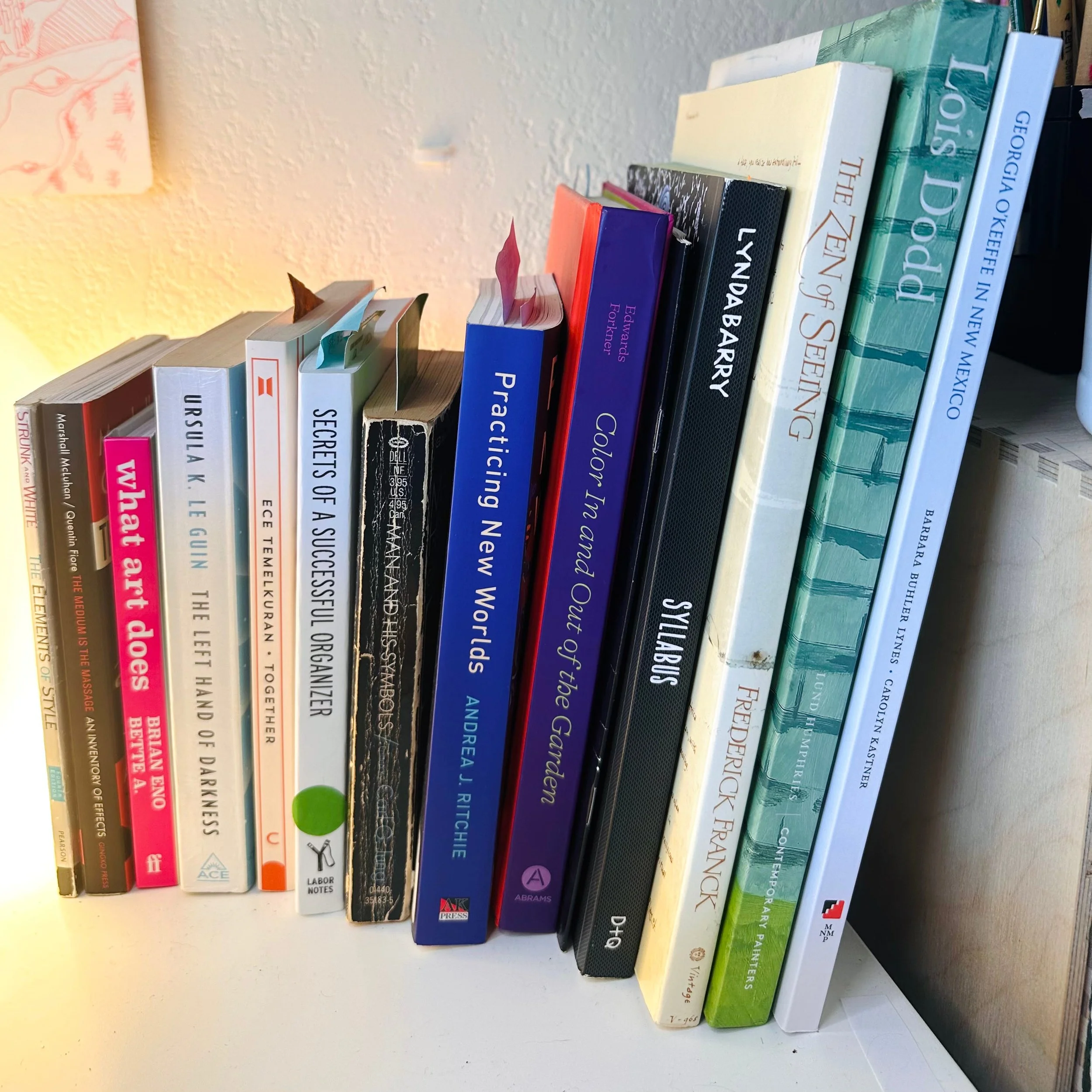
the books on my desk would’ve immediately made more of my influences clear… but alas.
The practice of making art tunes us to this devotion. It connects us with the need to remember and strike up a conversation across time. Making things in the studio is only a small fraction of the work. So much of our practice is invisible and cannot be turned into “content.” This is what all the grift around AI “art” gets completely wrong — focusing on product and output rather than the slow and deliberate process of researching, refining, and tuning into our own intuition. Knowing what materials bring us pleasure, feeling into the sensuality of the process, building something that can resonate across time and maybe, suspend dystopia.
When we spend time slowly identifying our creative ancestors, we can find true resource to go up against our inner critic. We build a whole team that is on our side,2 who has already been through it, and who made their work because they had to.
I want you to think on this question over the next month. Who are your “big three”
No pressure to answer immediately, but really go through your most recent sketchbooks, songs, essays, paintings, and other finished objects. What artists do they remind you of? Where are your influences sneaking in?
As you dive into identifying your inner critic and starting to work with them, consider the flipside. Who are your creative ancestors? The artists whose work shines brightly in your consciousness?The artists who inspired you to return to the practice or avoid giving up.3
These answers are truly hard for me. Try not to let yourself get stuck and expand to more than three artists. Think about all of your mediums too! I bet there is more overlap than you think.
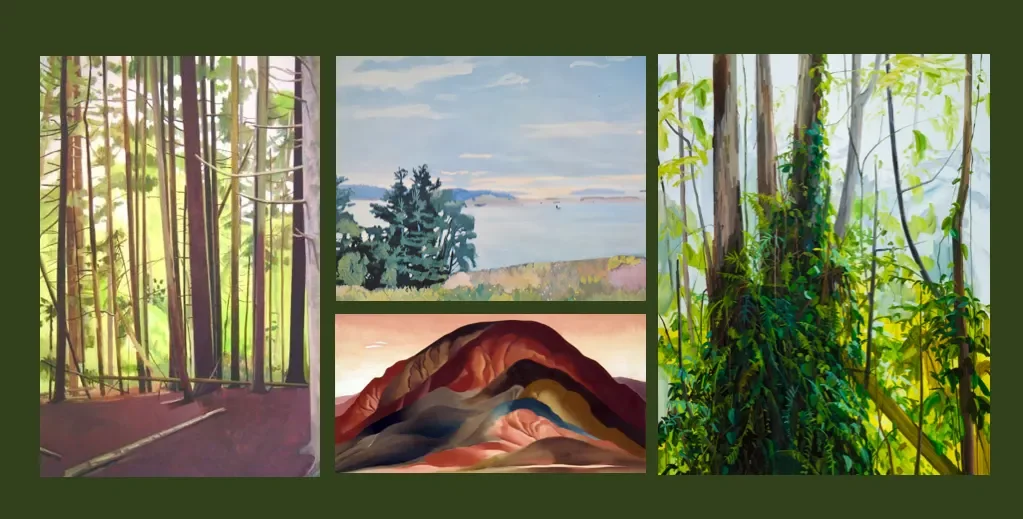
a mood board I made in keynote of my Big Four oil painters. From left Lois Dodd, Fairfield Porter, Georgia O’Keeffe, and Claire Sherman
For me with Oil Painting it’s Lois Dodd, Georgia O’Keeffe, Fairfield Porter, and Claire Sherman.4
But when it comes to Drawing/Sketching/Plein Air it’s Angela Sung, James Gurney, and Lynda Barry.
My photography is influenced by David Hockney, Galen Rowell, and soft-focus portrait sessions from the 80s with gooey light5.
For Music, I’m drawn to The Talking Heads, The Postal Service, and hellogoodbye.
With Writing, right now it’s adrienne maree brown, Ursula K. Le Guin, and Robin Wall Kimmerer.
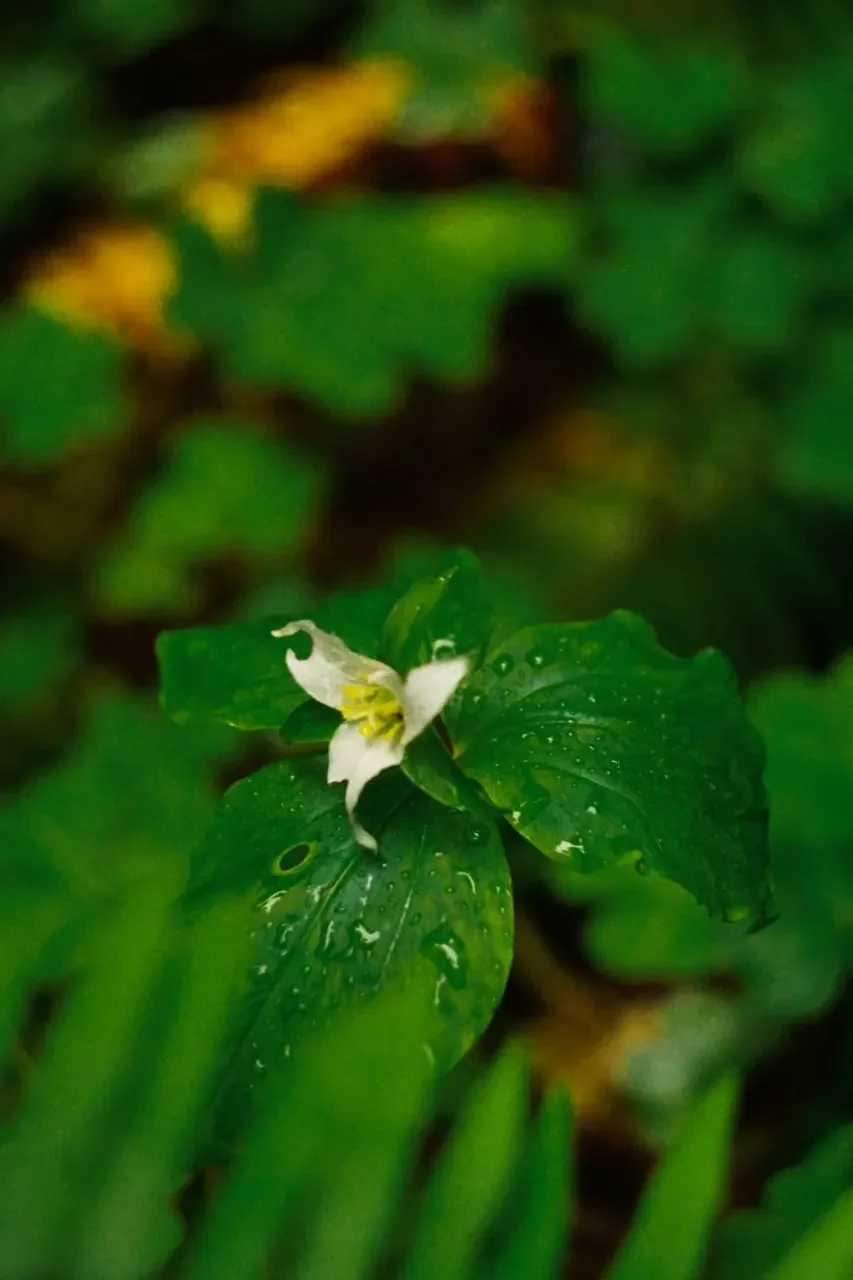
a photo of a Trillium in the rain. One of many images in the reference collection from this month I shot at Muir Woods while it was raining!
Every medium you practice will have a different set of creative ancestors. Each season this may change and evolve. Allow it to! Think about the different connections between these artists. Consider who you’ve loved and who you’ve moved away from.
What do they all have in common?
What is different about them?
How has your work changed as you’ve studied their work?
Try to imagine when the inner critic shows up, what it would mean to sit with these positive influences as a way to contrast with your critic’s feedback.
What would a dinner party be like with these folks?
What might they say to you in a studio visit?
If you could have a show together, what works would be on the wall, who would write the introduction, who might be the opener and why?
If you haven’t identified your Inner Critic yet, take a look at the original post and also give a read to Melissa Kaitlyn Carter’s essay in response to it. I love the conversation she had with her inner critic in relationship to her creative influences:
this might be why you can't finish a song
If you are wanting some support with your practice of working with inner critics, consider joining us over in the Persistent Bloom Emergent Classroom on Patreon. This whole next month we will be talking about the challenges modern life puts on imagination, and diving into our inner critics.
What the heck is Emergent Classroom? We meet live as a group once a month to get feedback on our work, request demos on techniques, and talk about what we make. We’re building the foundation together for an art school/retreat center that helps human artists persist in their practice. It’s only $19/month.
After signing up, you get instant access to a class recording from me on building a creative foundation, my DIY Creative Retreat PDF, and Cycle Zero of The Hikers Way.
